


No. Screen printing works on cotton, cotton/poly blends, triblends, polyester, nylon, and other compatible fabrics. The garment composition, color, finish, and intended result determine the ink, underbase, additives, cure temperature, and production setup.
About
Screen Printing for Glassware, Drinkware, and Apparel
Screen Printing in Lawrence, KS. Shipping Nationwide.
Screenprinting Best Practices for Quality & Durability
Screen printing pushes ink through a fine mesh stencil to lay down crisp, opaque color one layer at a time. The basic process is the same whether we're printing a logo on a pint glass, a ceramic mug, a metal tumbler, a plastic cup, or a t-shirt, but the inks, surface preparation, curing methods, and finished results differ by material. On this page, you'll learn best practices and important considerations for screen printing on different materials, including vessel shape, print placement, wash conditions, fabric composition, and artwork preparation. You'll also see close-up examples of our work on drinkware and apparel. Grandstand has been screen printing in Lawrence, Kansas, since 1988, and we ship nationwide.
Section 1 of 2
Glassware & Drinkware
Screen printing on glass, ceramic, and metal drinkware
Samples of Screen Printed Drinkware
From pint glasses and can glasses to wine glasses, bottles, and ceramic mugs, screen printing gives drinkware a bold, lasting imprint. Here are a few examples of our work. Select any product to see sizes, pricing, and ordering details.
-

16 oz Pint Mixing Glass -
Arc 16 oz Can Glass -
Libbey 10 oz Glass Coffee Mug -
Libbey 9 oz Stemless Wine Glass -
Rastal Winebar Wine Glass -
16 oz Clear Boston Round Bottle -
Alex Supreme 750 ml Decanter -
Pacho 750 ml Bottle -
Norwich 16 oz Stacking Mug -
8 oz Stainless Carabiner Mug -
Ball 16 oz Aluminum Cup -
Silipint 32 oz Humbler
Drinkware Screen Printing: Surface Preparation, Ink & Curing
A durable drinkware print depends on more than ink alone. Grandstand evaluates the vessel material and shape, artwork, print coverage, color count, surface preparation, curing method, and expected washing environment as one production system.
How Vessel Shape Affects Your Print
Every vessel has a different reliable print area. Tapers, compound curves, shoulders, stems, handles, rims, and heavy bases can affect artwork size, placement, registration, and wrap coverage.

Tapers & Compound Curves
Artwork must stay within the consistent portion of the bowl to maintain size, registration, and edge clarity.

Shoulders, Handles & Closures
Hardware and abrupt contours create no-print zones, while tinted glass also changes artwork contrast.

Shallow Bowls
A short printable band limits imprint height and makes vertical placement especially important.

Handles & Heavy Bases
A handle establishes orientation and interrupts wrap coverage; a heavy base reduces the usable print height.
Surface Preparation: Building a Strong Bond
Before ink reaches the vessel, the print area must be clean and properly prepared. Oils, residue, handling contamination, coatings, and variations in the item's finish can interfere with adhesion. Grandstand matches the preparation method to the vessel and the ink system selected for the project.
Evaluate the Surface
The vessel material, coating, glaze, finish, and printable area are considered before production because seemingly similar items can respond differently to treatment and ink.
Prepare for Epoxy Ink
Items printed with Epoxy ink receive flame treatment to clean and prepare the print surface before the ink is applied and heat cured.
Prepare for UV Ink
Items printed with UV ink receive flame treatment followed by Pyrosil, an adhesion-promoting treatment that helps the ink bond to the vessel before UV curing.
Inspect and Verify
Finished decoration is inspected, and project-appropriate adhesion or durability checks may be used to verify that the print has bonded correctly.
Print Considerations
Multi-color print registration
Each color is printed separately and must align with the others. Vessel shape, color count, and artwork detail affect registration tolerances and may require design adjustments.
Image placement
Handles, rims, bases, seams, and changes in the vessel surface can limit where artwork can be placed. We position the design within the product's reliable print area.
Imprint sizes
Maximum imprint dimensions are specific to each product. Artwork may need to be scaled or adjusted to fit the available decoration area and maintain print quality.
Vessel shape and printability
Straight-sided cylindrical vessels are typically the most printable. Tapers, curves, textures, handles, and abrupt contours can limit color count, placement, and wrap coverage.
Surface preparation
The surface must be clean and properly treated before printing. The preparation method is matched to the vessel material, finish, and selected ink system.
Quality and durability checks
Finished decoration is inspected, and project-appropriate adhesion and durability checks may be used to confirm that the print has bonded correctly.
Washability & Print Durability
These washing and care considerations apply whether Grandstand selects Epoxy or UV ink for the project. They are performance guidelines rather than a comparison between the two methods.
500+ Low-Temperature Cycles
Grandstand's Epoxy and UV decorations have been independently tested to withstand at least 500 low-temperature dishwasher cycles with minimal damage under the test conditions.
Temperature Matters
For the low-temperature benchmark, wash and rinse temperatures do not exceed 140°F. High-temperature commercial dishwashing—with wash temperatures above 150°F and rinse temperatures around 180°F—can shorten decoration life.
Expected Print Life
Actual performance varies with the item, finish, surface preparation, curing, artwork coverage, dishwasher settings, detergent, water chemistry, handling, and frequency of use. A tested cycle count is a benchmark, not a guarantee for every application.
High-Temperature Operations
If your operation requires high-temperature dishwashing, tell us when requesting a quote so we can discuss suitable products, decoration options, and care expectations.
Grandstand selects the appropriate ink system for your project. Customers do not need to choose between Epoxy and UV. The comparison below is provided as an educational look at two modern drinkware screen printing systems.
-
Epoxy Ink
Heat-cured decoration commonly used for one-color artwork
- Surface treatment
- The item receives flame treatment to clean and prepare the surface before printing.
- Curing
- Epoxy ink is heat cured after printing so the decoration bonds to the prepared surface.
- Typical color use
- Used for one-color logos and straightforward designs.
- Print coverage
- Full-contact, gapless wraps are not typically produced with this system.
- Materials
- Used on compatible glass, ceramic, metal, and certain plastics.
Free of lead and cadmium
-
UV Ink
Light-cured decoration with greater color and coverage flexibility
- Surface treatment
- The item receives flame treatment plus Pyrosil, an adhesion-promoting treatment that helps the ink bond to the surface.
- Curing
- The printed ink is cured through exposure to ultraviolet light.
- Typical color use
- Can support up to five print colors, depending on vessel shape and artwork.
- Print coverage
- A full-contact, gapless wrap may be possible depending on quantity, color count, artwork complexity, and vessel shape.
- Materials
- Used on compatible glass, ceramic, metal, and certain plastics.
Free of lead and cadmium
Section 2 of 2
Apparel
Screen printing on t-shirts, hoodies, and more
Samples of Screen Printed Apparel
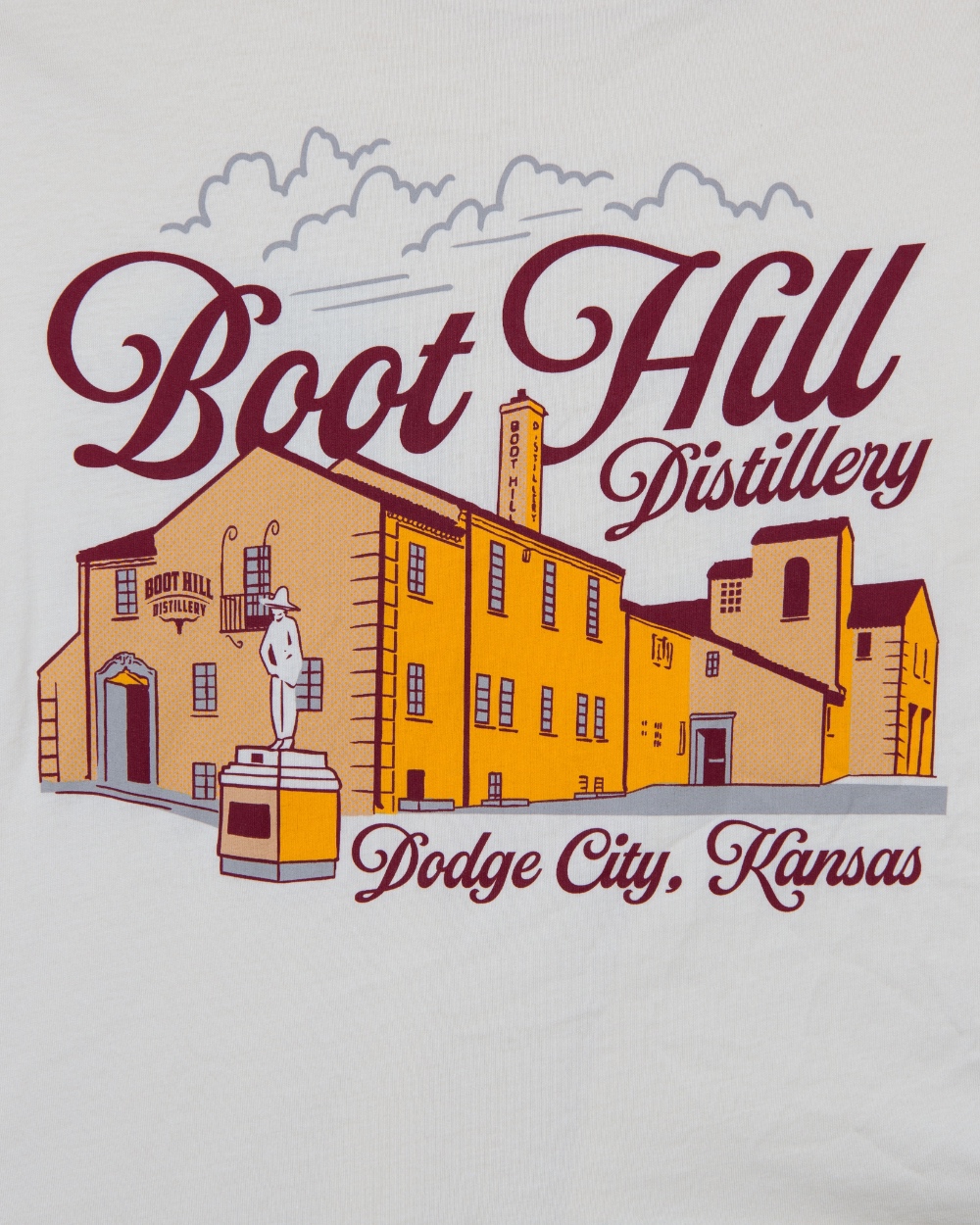
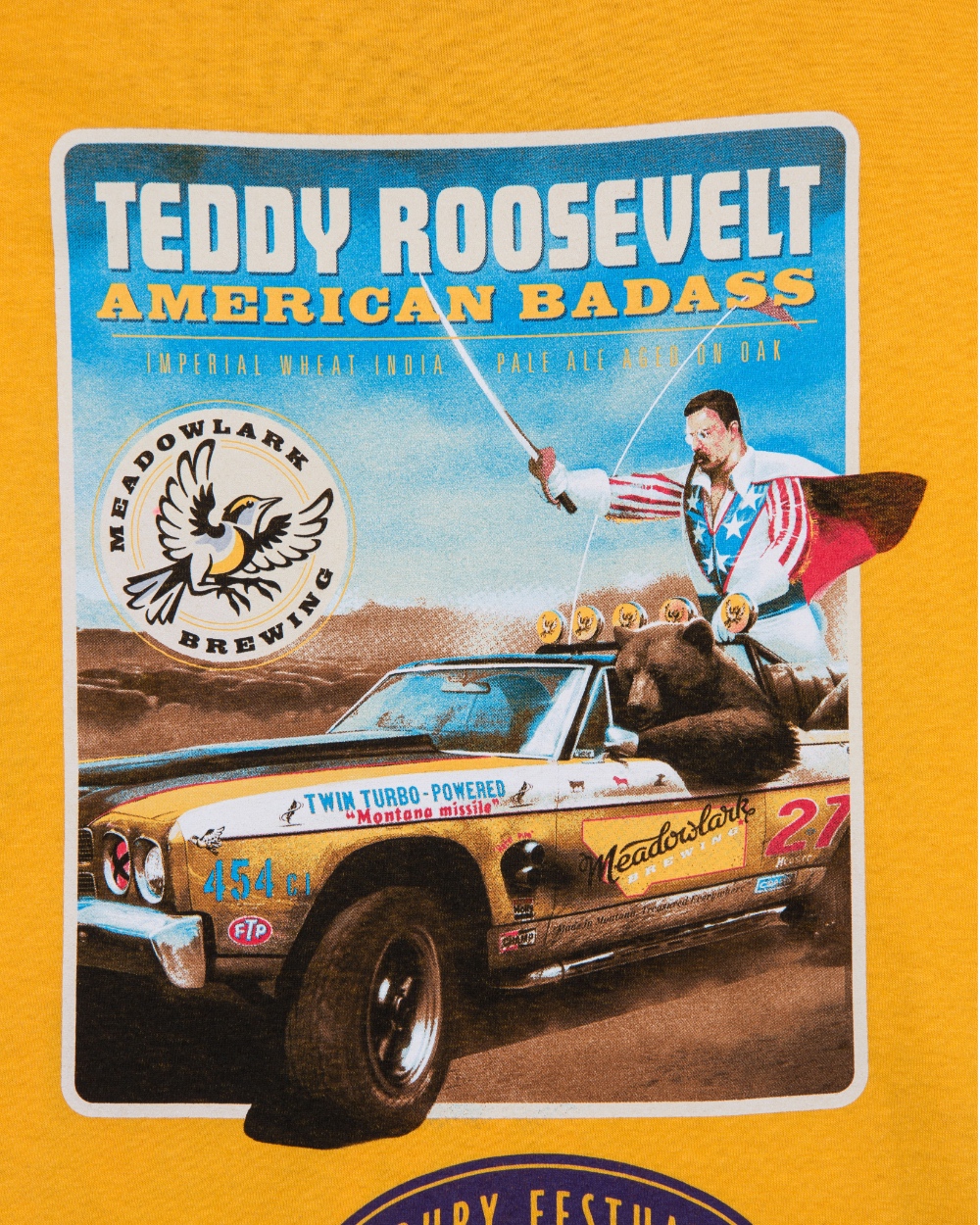
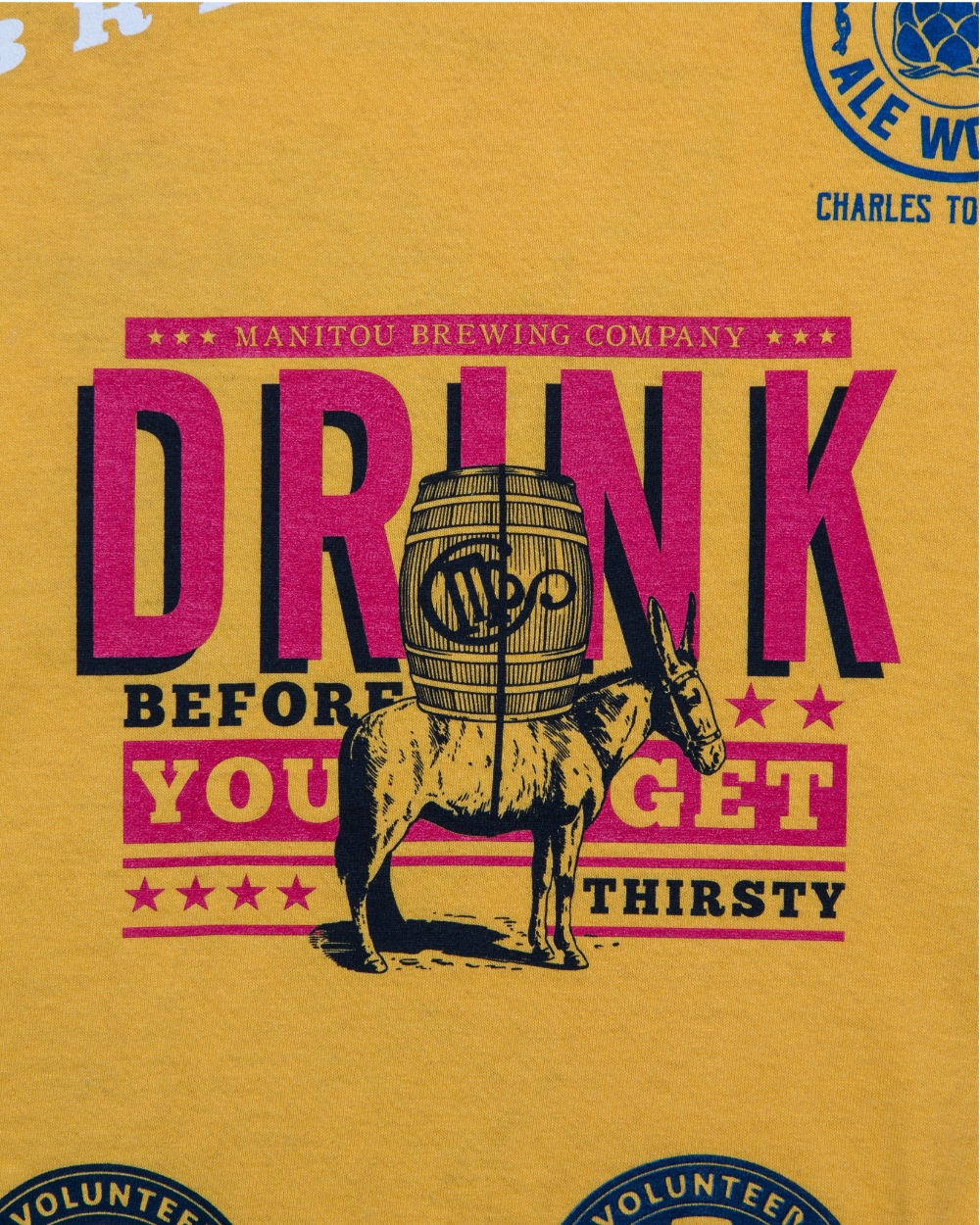
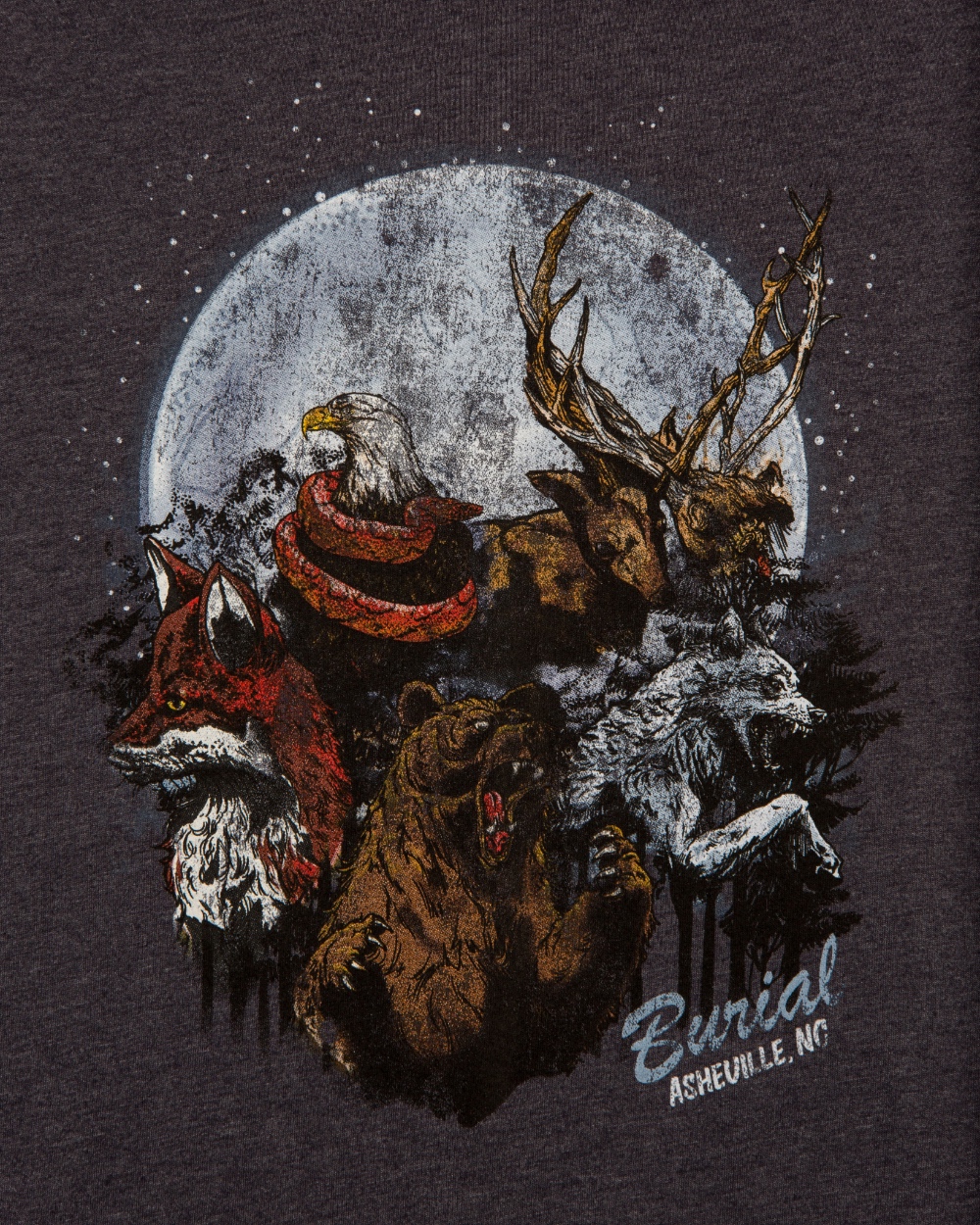
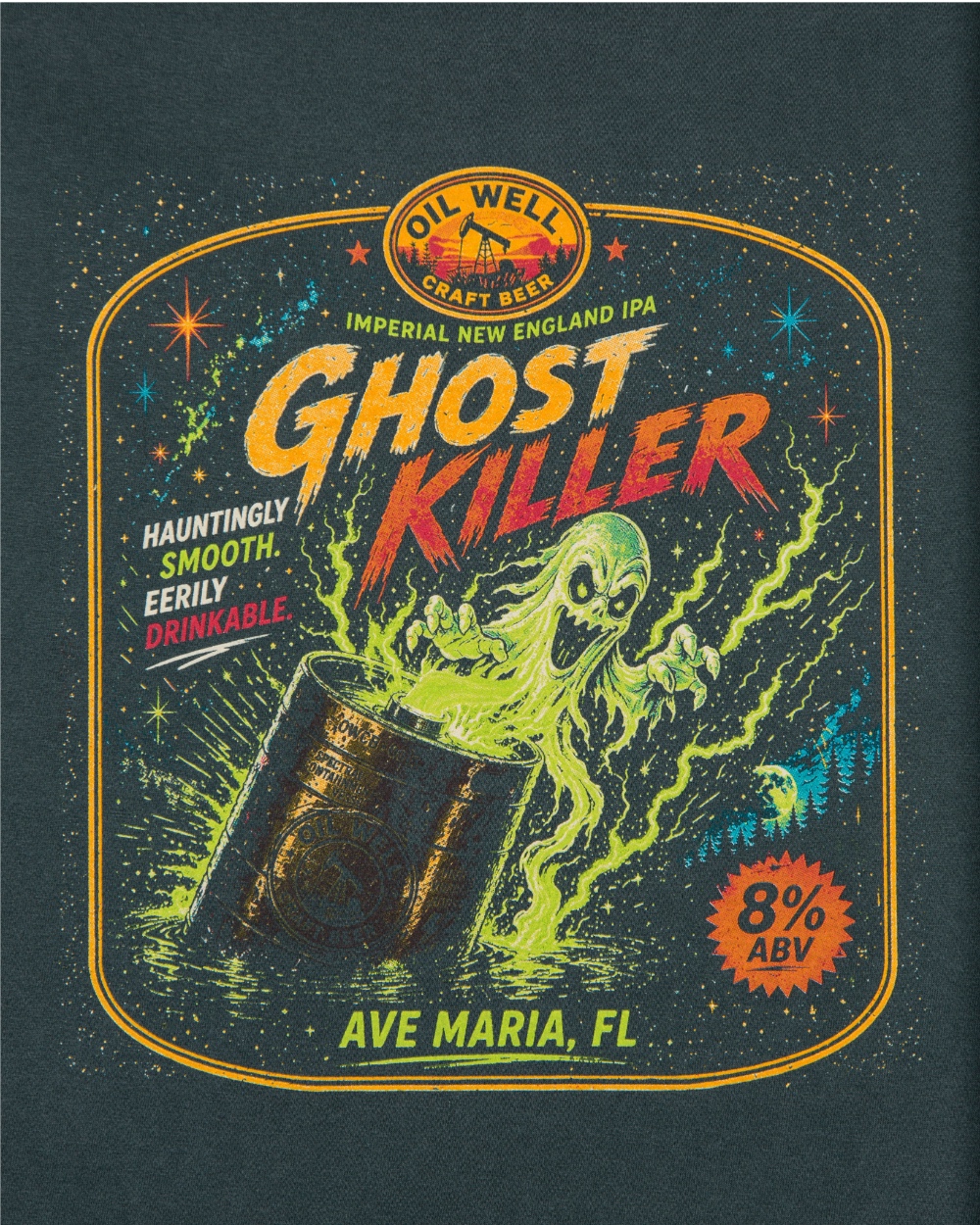
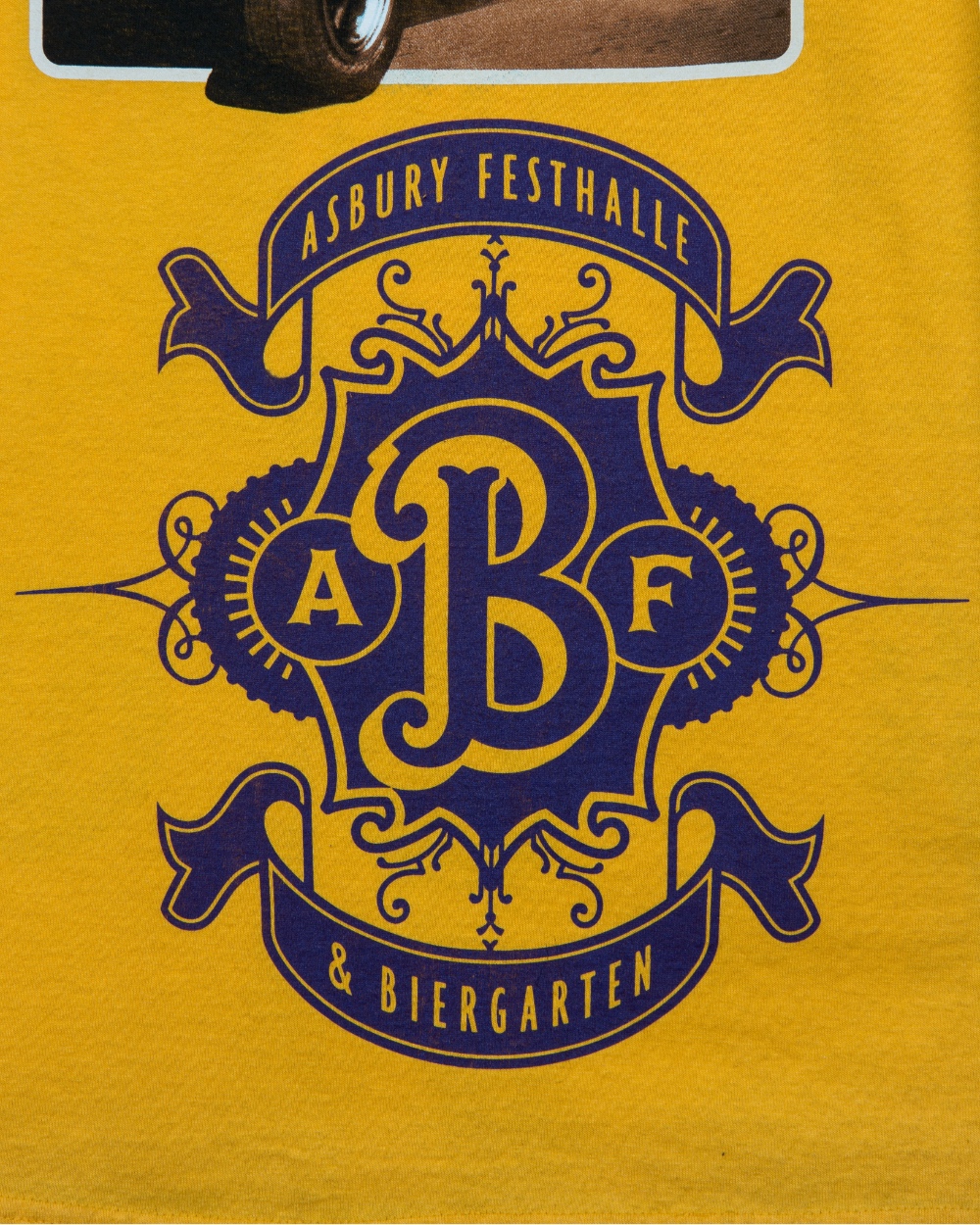
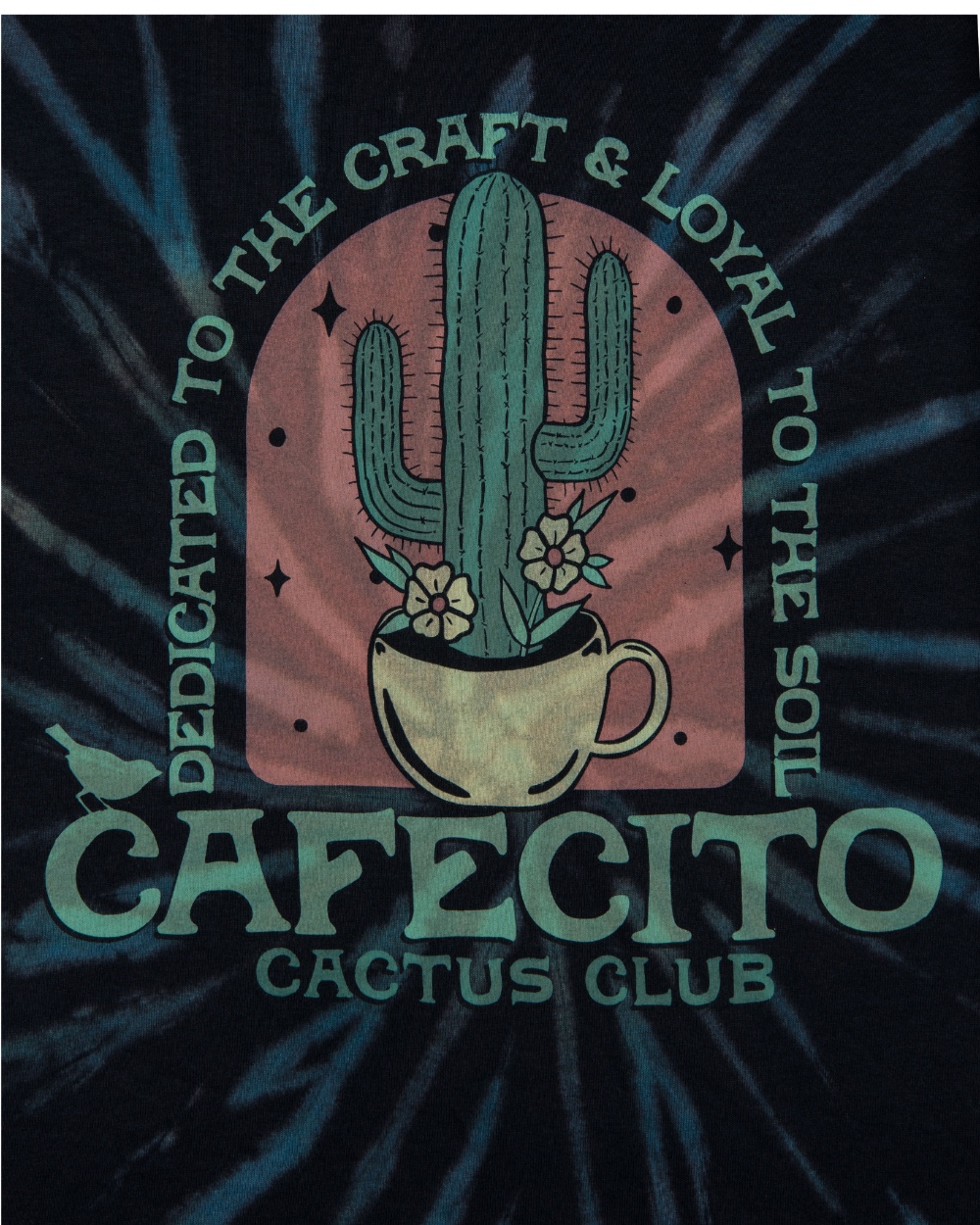
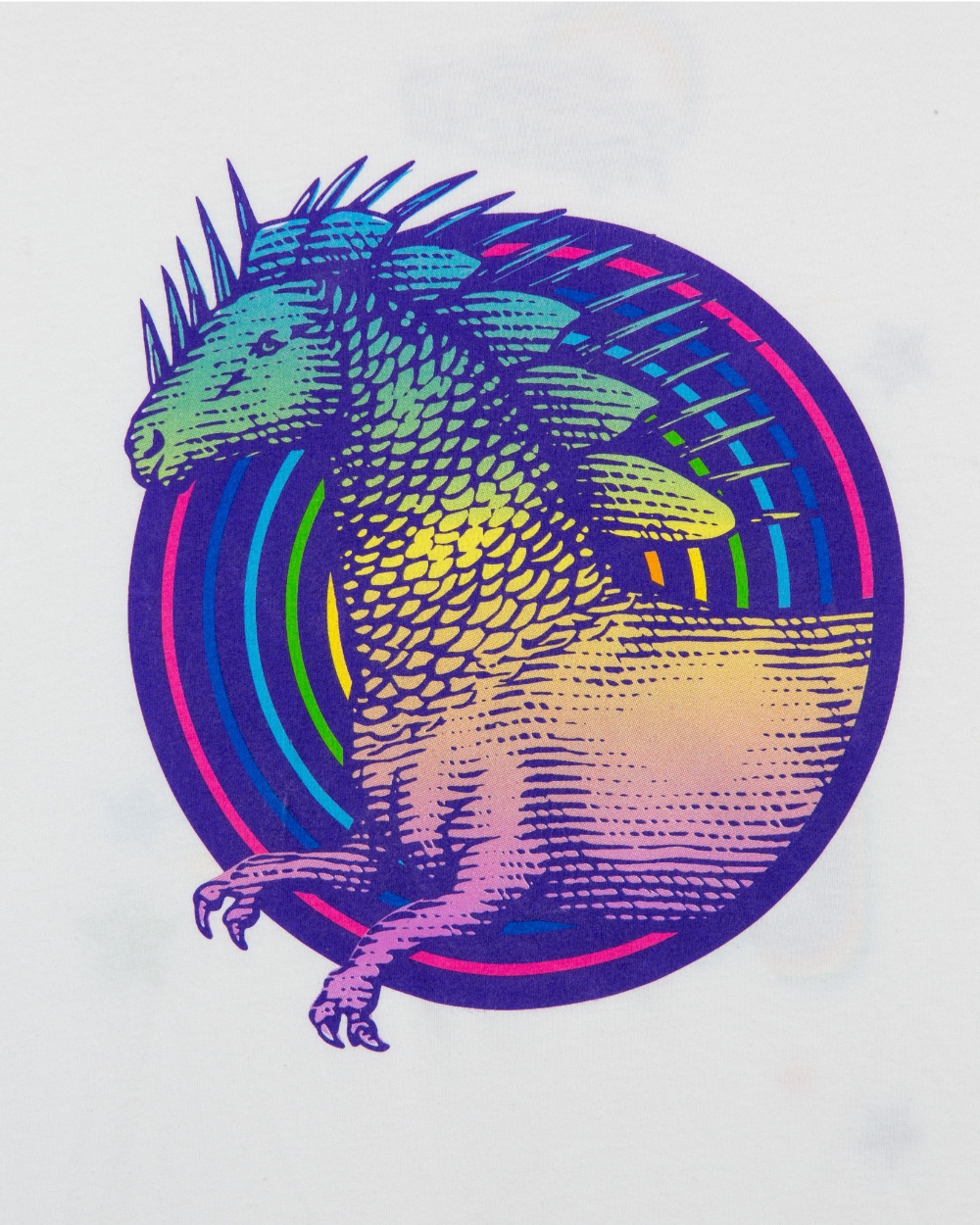
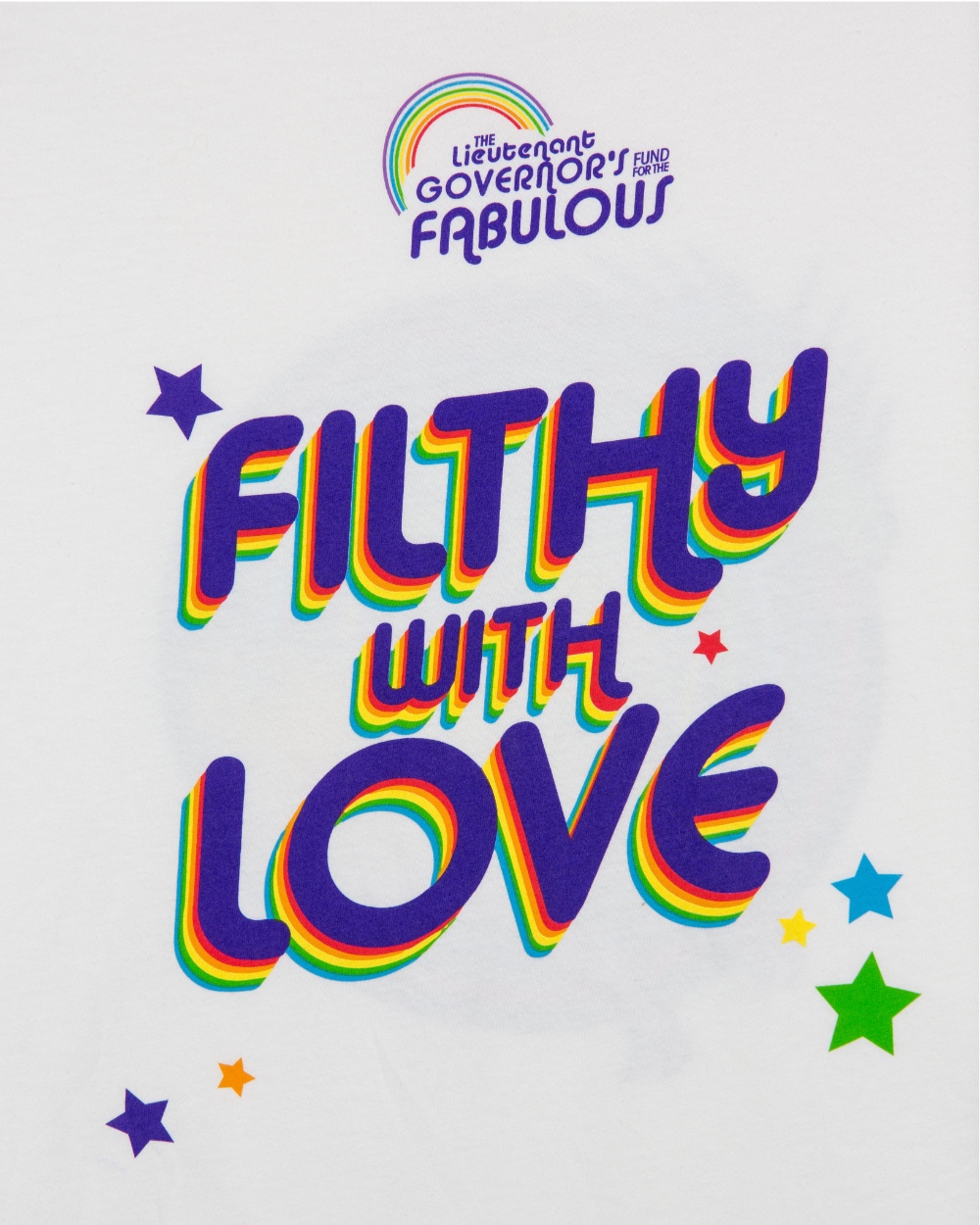
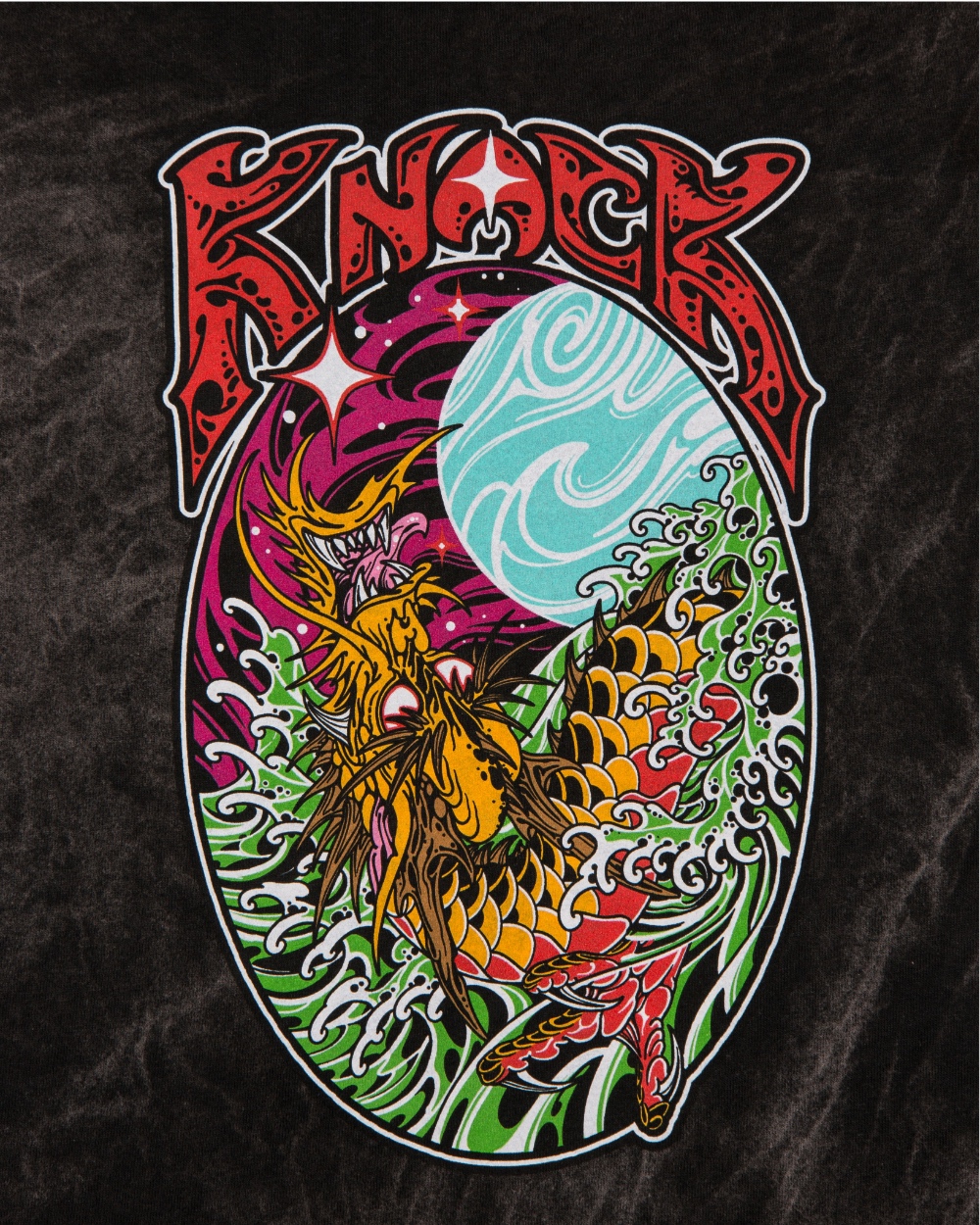
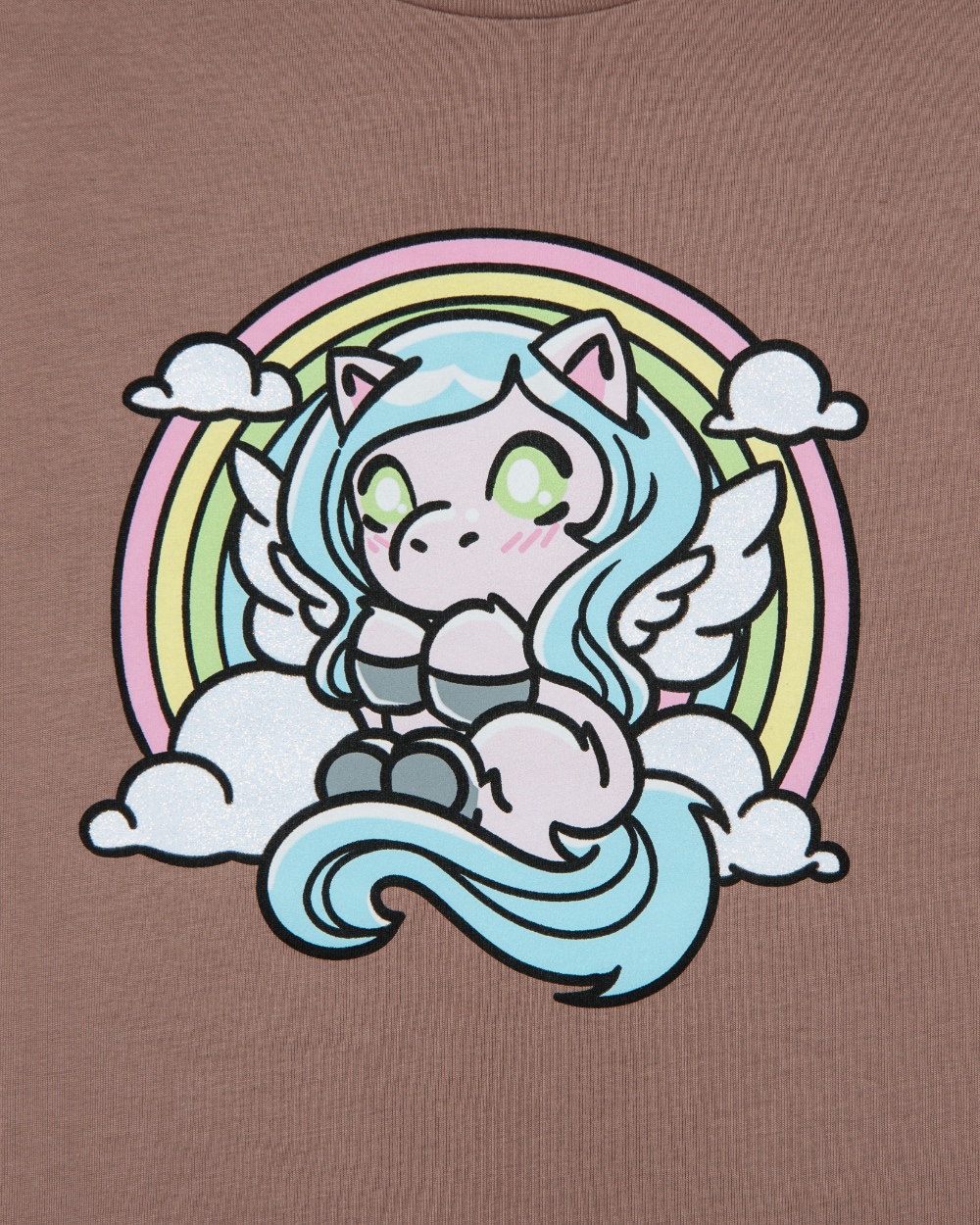
These close-ups show the detail screen printing can achieve on fabric, from bold single-color logos to layered, full-color illustrations. Click any photo to see it larger.
-
Boot Hill Distillery, Dodge City, KS -
Meadowlark Brewing, full-color print -
Manitou Brewing Co. -
Burial Beer Co. illustration -
Oil Well Craft Beer, Ghost Killer IPA -
Asbury Festhalle & Biergarten -
Cafecito Cactus Club on tie-dye -
Rainbow gradient illustration -
Rainbow drop-shadow lettering -
Detailed illustration on mineral wash -
Pastel illustration on a colored tee
Screen Printing Ink Comparison: Plastisol vs. Chino vs. Soft Hand
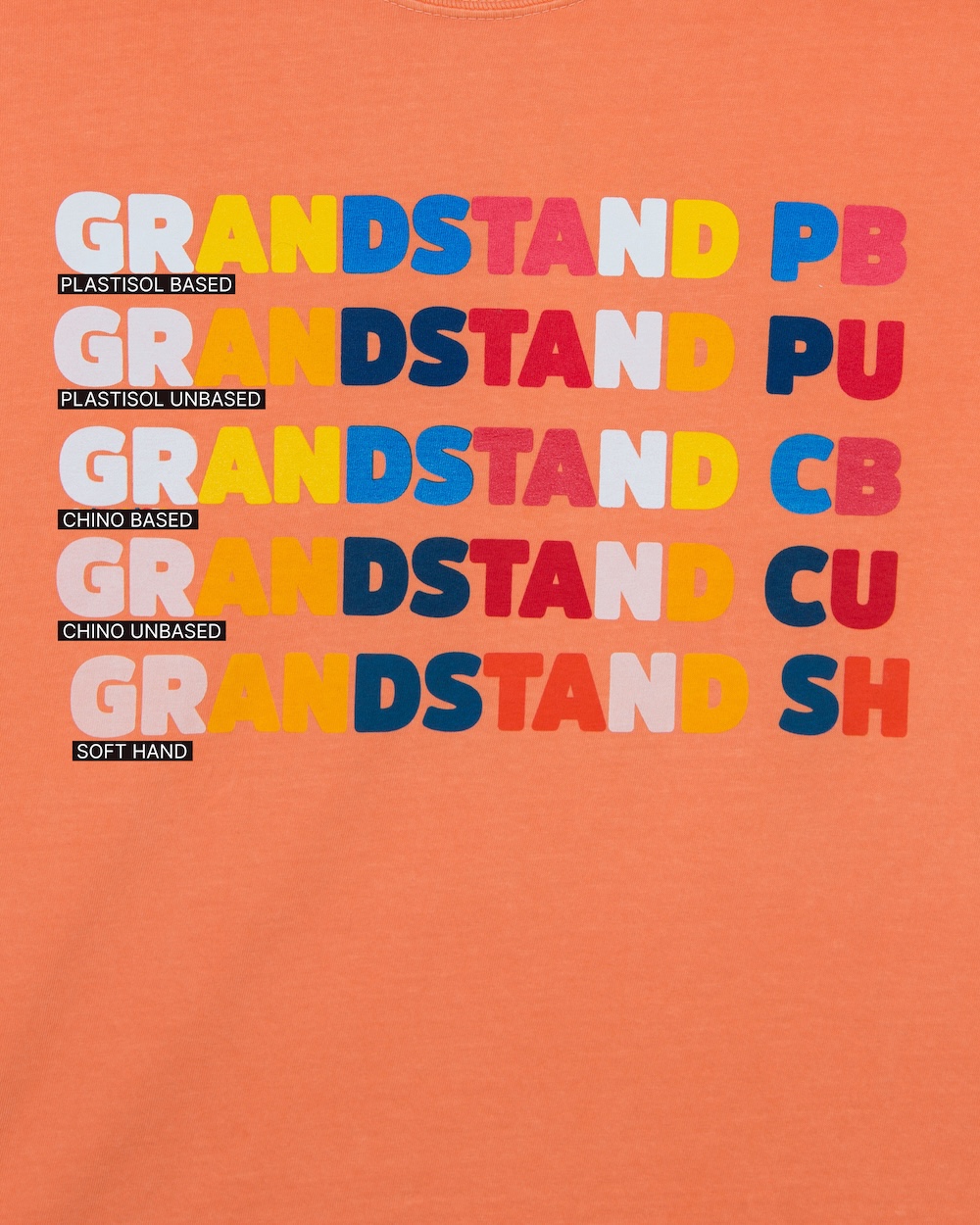
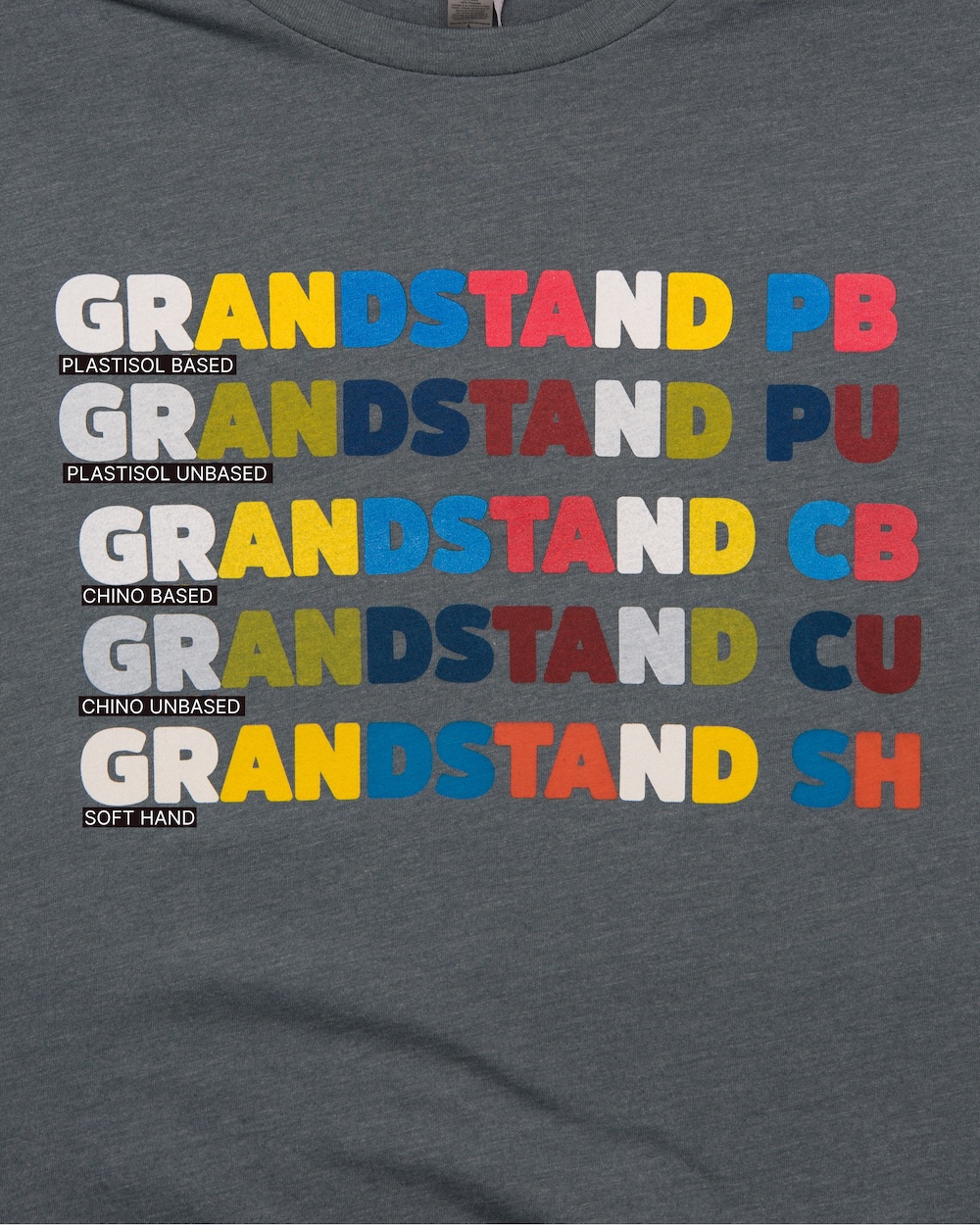
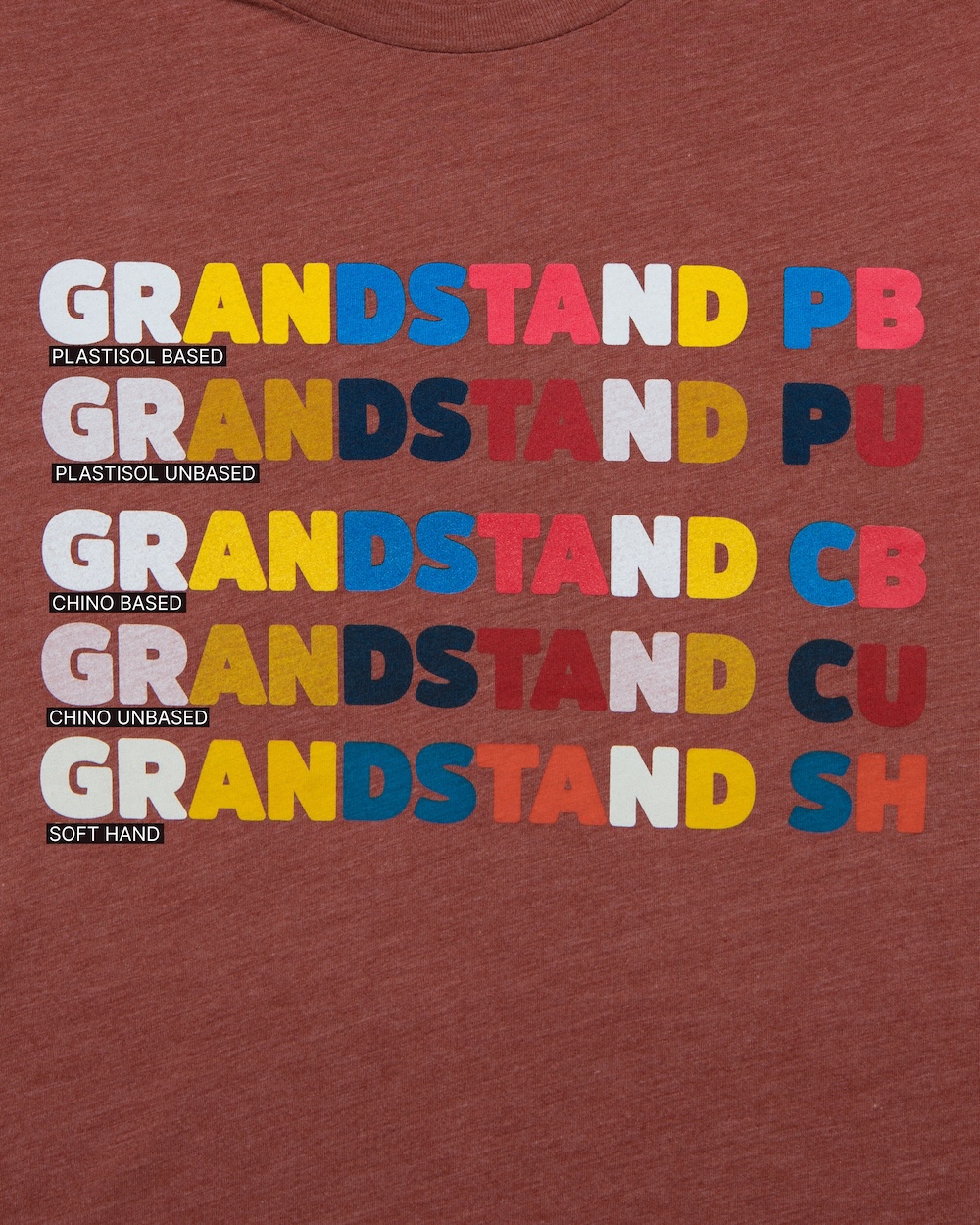
Grandstand's team of experts choose the right ink for the garment. The type of ink used changes how a print looks and feels as much as the design does. To show the difference, we printed the same design on three shirt colors. Each row uses a different ink, printed either over a white underbase ("based") or directly on the fabric ("unbased"), so you can compare color, brightness, and texture side by side. Click any photo to see it up close.
-
Coral tee -
Heather slate tee -
Heather clay tee
-
Plastisol Based
A white underbase is printed and flash-cured first, then each color prints on top of it. The underbase blocks out the shirt color, so the ink looks the same on any garment.
- Color
- Brightest, most accurate color
- Feel
- Smooth, slightly raised
- Best for
- Bold logos, exact brand colors, dark or colored shirts
-
Plastisol Unbased
The same plastisol colors printed straight onto the fabric with no underbase. The ink mixes with the shirt color, so every color shifts darker and deeper.
- Color
- Muted, takes on the shirt color
- Feel
- Softer and thinner than based
- Best for
- Light shirts, darker art, a slightly vintage look
-
Chino Based
Chino is a soft plastisol ink made for a worn-in, washed look. Printed over an underbase, it keeps bright color while the fabric texture shows through slightly.
- Color
- Bright with a subtle texture
- Feel
- Very soft
- Best for
- Retail-style tees that need color and comfort
-
Chino Unbased
Chino ink printed directly on the shirt. It gives the most faded, broken-in look of the five, with colors that sink into the fabric.
- Color
- Most muted and vintage
- Feel
- Very soft, barely there
- Best for
- Throwback designs, tone-on-tone, heathered tees
-
Soft Hand
The ink is thinned with a soft hand additive, so less ink sits on the shirt. You get a lightweight print that still holds strong color.
- Color
- Strong color, slightly less opaque
- Feel
- Lightweight, flexible
- Best for
- Fashion tees, triblends, everyday wear
What the comparison shows
- An underbase keeps colors true. The based rows look nearly identical on all three shirts. The unbased rows change with every garment.
- Shirt color matters most for unbased prints. The same unbased yellow turns orange on the coral tee, olive on the heather slate tee, and mustard on the heather clay tee.
- Softer prints trade a little brightness for comfort. Chino and soft hand prints feel lighter on the shirt, with colors that look slightly more relaxed.
Our team in Lawrence, Kansas, chooses the right ink and garment for your order. Request a quote
Fabric Requirements for Screen Printed Apparel
Every ink in our comparison is plastisol based, so you are not limited to 100% cotton. These inks print well on cotton, cotton/poly blends, and triblends, and they can print on polyester with the right setup. What changes from fabric to fabric is how the print looks, how soft it feels, and how carefully it has to be cured.
Does screen printing require 100% cotton?
No. Screen printing works on cotton, cotton/poly blends, triblends, polyester, nylon, and other compatible fabrics. The garment composition, color, finish, and intended result determine the ink, underbase, additives, cure temperature, and production setup.
-
100% Cotton
Ringspun and standard cotton tees
The easiest fabric to screen print. Ink grips cotton fibers well, so every option in our comparison works, and unbased and chino prints sink in for the softest feel.
- Works with
- All five inks
- Good to know
- Unbased colors look muted on dark cotton. Choose a based print when you need bright color.
-
Cotton/Poly Blends
50/50, 60/40, and CVC blends
Blends print cleanly with every ink option and add a slightly heathered texture. They also shrink and wrinkle less than 100% cotton.
- Works with
- All five inks
- Good to know
- On some darker or red blends, dye in the polyester can bleed into the ink, so bleed-resistant ink is used where needed.
-
Triblends
Cotton, polyester, and rayon
Soft and drapey with a built-in heathered look. Chino and soft hand prints pair especially well for a worn-in, retail feel.
- Works with
- All five inks. Chino and soft hand are a natural fit.
- Good to know
- Rayon and polyester are heat sensitive, so prints are cured carefully to prevent scorching or dye bleed.
-
100% Polyester
Performance, athletic, and moisture-wicking
Polyester can be screen printed, but it takes low-cure, bleed-resistant ink. On dark or bright shirts, a gray or black blocker layer goes down first to keep the fabric dye out of the print.
- Works with
- Based prints with low-cure ink and a blocker layer
- Good to know
- Without a blocker, a white print on a red polyester shirt can slowly turn pink.
-
Nylon & Coated Fabrics
Jackets, windbreakers, and bags
Smooth, coated fabrics need a bonding additive mixed into the ink so the print grips the surface and does not crack or peel.
- Works with
- Plastisol with a nylon bonding additive
- Good to know
- Mention nylon items when you request a quote so we can confirm the right setup.
Screen Printing FAQ
Go to FAQ PageA based print has a white underbase printed and flash-cured first, then each color prints on top of it. The underbase blocks out the shirt color, so the ink looks the same on any garment.
An unbased print goes straight onto the fabric with no underbase. The ink mixes with the shirt color, so colors look softer and shift darker and deeper.
Plastisol is the most common apparel screen printing ink. Printed over a white underbase it gives the brightest, most accurate color, and printed without one it takes on the shirt color.
Chino is a soft plastisol ink made for a worn-in, washed look. Soft hand ink is thinned with a soft hand additive so less ink sits on the shirt, giving a lightweight print that still holds strong color.
Grandstand selects the ink system based on the vessel material and shape, artwork, color count, print coverage, and expected washing environment. Epoxy uses flame treatment followed by heat curing and is commonly used for one-color decoration. UV uses flame treatment plus Pyrosil for adhesion and is cured with ultraviolet light; it can support up to five colors depending on the vessel and artwork.
For either ink system, Grandstand's decorations have been independently tested to withstand at least 500 low-temperature dishwasher cycles with minimal damage under test conditions when wash and rinse temperatures do not exceed 140°F. Higher-temperature commercial dishwashing can shorten decoration life, and actual performance varies by product and use conditions.
Epoxy and UV inks can print on compatible glass, ceramic, metal, and certain plastic drinkware. Plastic compatibility depends on the item and finish, and additional surface treatment may be required.
Compatibility can vary by item and finish, so ask us about your specific drinkware when you request a quote.
Colors can print differently across product types. Artwork may look different on glassware than it does on fabric, and unbased apparel prints change with the color of the shirt. Exact color matching across all products cannot be guaranteed.
Turnaround varies by product, but most orders ship within 2–4 weeks after artwork approval.
Yes. Our in-house design team can bring your brand to life or work with your existing artwork to create standout custom products.
Absolutely. We focus on bulk custom printing to help breweries, restaurants, and businesses stock branded glassware, drinkware, and apparel at scale.
Grandstand is located at 3840 Greenway Circle in Lawrence, Kansas, and has been screen printing since 1988. We ship custom glassware and apparel orders nationwide, and international shipping is available.
Place an order through our website or contact our team, and we will guide you through the process from design to delivery. You can also call us at 800-767-8951.
Artwork Files for Screen Printing
Production-ready artwork helps us create a cleaner print and a more accurate proof. Vector artwork is preferred because it can be resized and color-separated without losing quality.
-
Preferred vector files
- AI, EPS, or PDF
- Convert every font to outlines.
- Embed all linked images.
- Submitting a PDF does not make raster artwork vector.
-
Raster and image files
- PSD, JPEG, TIFF, GIF, or BMP
- Supply artwork at 600 PPI at its actual print size.
- Keep multi-color Photoshop artwork layered for color separation.
- Include any fonts used in the artwork.
-
Size and print quality
- Raster artwork cannot be enlarged without losing quality.
- A 5-inch-wide print needs artwork at least 3,000 pixels wide at 600 PPI.
- If vector artwork is unavailable, Grandstand can redraw it; an art fee may apply.
- Files must be Mac compatible.
Files we cannot accept: CorelDRAW (.cdr), Microsoft Word (.doc), or PowerPoint (.ppt). Artwork is sized to the standard print area for the selected product unless you request a different size in your order notes.